

A measles case in Sumter County might not have shocked the state as much as it might have in the past, but things have changed since then. Because South Carolina has already become the face of the largest measles outbreak the United States has seen in over two decades.
Nearly 900 people have been affected across five counties, and the epicenter is clear—Spartanburg County, where more than 95% of cases have been documented. The virus hasn’t trickled through the population. There is thunder.
| Metric | Detail |
|---|---|
| Total Cases Reported | 876 (as of Feb 3, 2026) |
| Most Affected County | Spartanburg (841 cases) |
| Newest County Involved | Sumter (fewer than 5 cases) |
| Vaccination Status Breakdown | 800 unvaccinated, 16 partial, 22 full |
| Age Group Most Affected | Ages 5-17 (555 cases) |
| Active Quarantines | 345 people |
| Hospitalizations | 19 confirmed |
| Public Exposure Locations | Mariachis, Food Lion, Walmart (Sumter) |
| Vaccine Availability | Mobile clinics active in Spartanburg |
| Source | South Carolina Department of Public Health |
These days, mobile vaccination units park in church lots, a scene that is remarkably similar to early pandemic operations. One of the scheduled sites is Macedonia Missionary Baptist Church in Spartanburg. That particular feature seems more essential than symbolic.
The Department of Public Health has begun focused containment initiatives, including contact tracing and public exposure notifications. But what stuck out in their recent update was this: out of 876 cases, 800 patients were fully unvaccinated.
That figure isn’t merely epidemiological. It’s cultural.
Many locals made the decision not to get vaccinated through family group chats and Facebook feeds rather than in a doctor’s office. Misinformation was extraordinarily successful in undermining confidence by utilizing conspiracy-filled pseudoscience and anecdotal dread.
Now, the state is playing catch-up, deploying CDC-backed resources and re-educating the public on a virus most younger physicians had never seen personally until this year.
According to reports, Greenville medical students are modifying their curricula to take into consideration the rise in diseases that can be prevented by vaccination. That alone speaks plenty.
Spartanburg holds the most reported cases, with neighboring Greenville trailing with 28. Less than five cases have been documented in counties including Anderson, Cherokee, and Sumter, but as we’ve seen in the past, it only takes one to trigger a chain reaction.
Health officials in Sumter are looking into whether a recent case is related to the outbreak in Upstate. The infected person visited Mariachis Mexican Restaurant, Food Lion, and Walmart throughout three days. Customers who were exposed during those windows are advised to keep an eye on their symptoms until the middle of February.
During the pandemic, seclusion was communal. But here, quarantine is isolating in a much lonelier sense. At last report, 345 people are in quarantine, and 22 are in active medical isolation. Nineteen have been hospitalized.
The virus’s incubation period—anywhere from 7 to 21 days—means people typically pass it along before they even realize they’re sick. That’s part of what makes measles particularly tenacious. Cough, runny nose, fever, rash. It all feels like déjà vu until it’s not.
DPH is closely monitoring every exposure that is recorded. But the deeper battle is cultural. Public messaging isn’t just about where measles was; it’s about where it might go next.
In contrast to the sharp increase in January, health officials reported a discernible decline in new cases as of February 3. The recent snowstorms that kept many individuals at home could be the cause of that lull. Whether it’s sustainable is uncertain.
For early-stage outbreaks, every hour matters. However, months later, the number of cases is still in the dozens every week. The persistence of that speed is frightening.
I recall being uncomfortable when I saw the CDC’s statement regarding the “surge of vaccines and therapeutics under Secretary Robert F. Kennedy.” It wasn’t what they said. It was the fact they had to say it at all.
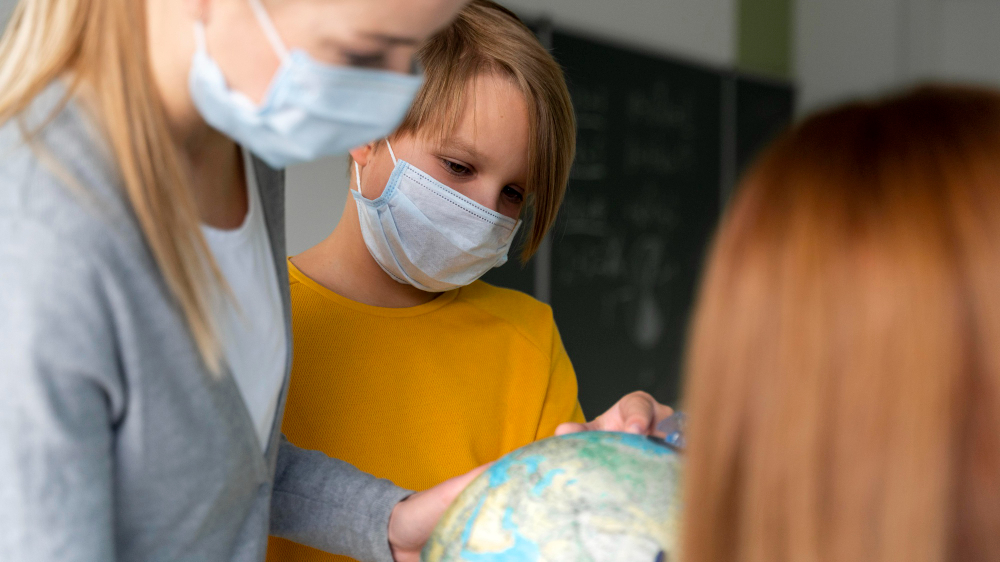
Since the outbreak began, 555 of the cases have been school-age children between 5 and 17. Children under five make up another 233. Only 71 cases involve adults, with vaccination status still being confirmed for several.
The Health Department continues to distribute free MMR (measles, mumps, rubella) immunizations, but uptake remains inconsistent. Some residents express regret too late—often after a relative falls ill.
There isn’t usually a consistent pattern to symptoms. While the classic rash often begins on the face and spreads downward, other indicators like fever and conjunctivitis can show up subtly, particularly in children.
Through targeted public health communication and mobile access, South Carolina could still influence the direction of this outbreak. But time is running thin.
By integrating data dashboards and community-based alerts, DPH has built a response strategy that is highly efficient, even if the virus remains a step ahead. The question is whether it’s enough.
Communities that are reluctant to receive vaccinations run the risk of normalizing what was almost completely eradicated if occurrences continue. One day, the measles milestone in South Carolina may be viewed as a turning point.
And that makes it everyone’s concern.

