
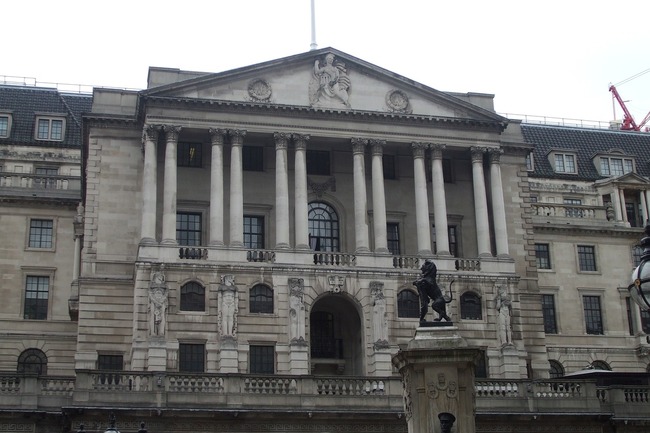

FD Capital, a leading specialist in financial recruitment, has released an analysis sharply critiquing the Bank of England’s prolonged inflation policy. The analysis describes the Bank’s policy on inflation as “too high, too late, and now for too long,” and supports increasing calls for a reduction in interest rates in the first quarter of 2024.
According to the agency’s research, the CPI inflation rate is expected to fall to 3.1% by March 2024, with a predicted temporary increase in the 6-month CPI rate at the beginning of 2024, eventually stabilising at 2%.
The report underpins FD Capital’s disapproval of the Bank of England’s inflation handling strategy, suggesting that the Bank was too slow in raising interest rates. It posits that rates should have peaked in the summer of 2022, a year earlier than they did. An earlier inflation increase could have reined in inflation without resorting to such steep interest rate hikes.
The peak interest rate today stands at an excessive 5.25%, whereas, as per the report, it might have only needed to reach 3.25% if the Bank had acted sooner. This retrospective analysis implies that the Bank’s ‘higher for longer’ strategy could have ended by summer 2023, helping the economy to avoid a recession.
Unexpectedly, the UK inflation rate in November fell more sharply than predicted, dropping to 3.9% from 4.6% in October, primarily attributed to lower petrol prices. This puts the UK economy on a precarious edge, teetering between a severe recession in 2024 or just avoiding it. FD Capital suggests that the Bank of England’s quicker action could have averted the current economic predicament.
Furthermore, the agency criticises the UK government’s COVID-19 support strategies, such as business loans and the furlough programme, for significantly contributing to the inflation surge, overshadowing the impact of quantitative easing or tightening.
Investment analysts and commentators are now divided, with some expecting an interest rate cut by May, and others considering a reduction in March. However, FD Capital’s research indicates that the full impact of the Bank of England’s “too high, too late, and now for too long” inflation policy might take an additional 9 to 12 months to manifest.

